Restaurant Flooring: Surviving the Kitchen, the Dining Room, and a Thousand Steps a Day
A guest steps through the door, and the verdict about your place forms in their head before they even sit down. A second, maybe a second and a half. And more often than not, the eye catches on the floor. Stained, slippery, a crack near the entrance, and there goes the first impression, no matter that the kitchen cooks at a Michelin level.
Meanwhile, in that very kitchen, things happen that no residential floor would survive for a month. Grease. Boiling water. A knife slipping off the counter. Carts, staff clocking kilometers per shift. Restaurant flooring takes two completely different worlds onto itself at once, and owners underestimate, time and again, just how tough a job that is. They lay something pretty for the opening, and a year later, they’re already googling what a redo would cost.
What Makes a Restaurant Floor Unique
Let’s start with the main misconception. A lot of people think of a restaurant as one space. In reality, there are at least two, and their demands are opposite. The dining room, where a person should feel at ease and footsteps don’t thunder. And the kitchen is an actual combat zone where the coating gets tested for durability against everything, every day. A single restaurant floor has to please both. That’s exactly where budget options fall apart.
Let me list what this floor deals with daily. Not for show, but so the scale is clear:
- water, wine, grease, sauces, and all of it ends up on the floor more often than anyone would like;
- steam and temperature swings near the stoves, the deep fryer, the dishwashers;
- chemicals the kitchen gets scrubbed with every evening, not always the gentle kind;
- carts, heavy pots, an endless flow of people back and forth;
Contact us!
- the demand not to be slippery, because wet tile in a kitchen means an injury, a sick day, and a conversation nobody wants
- sanitation, under which seams and pores simply have no right to become a nest for dirt.
Put it together. Commercial restaurant flooring, in essence, lives in conditions closer to a workshop than to an apartment. And then the choice of coating stops being a matter of taste. It’s more a question of how much money the place will spend on repairs and kitchen downtime over the next few years. Kitchen downtime, by the way, costs more than the floor itself.
What’s Better to Lay on a Restaurant Floor
There are materials on the market by the boatload. Except not all of them fit a restaurant. Below are the ones that actually take the hit, both in the dining room and in the kitchen. Each has its role.
Epoxy Coating
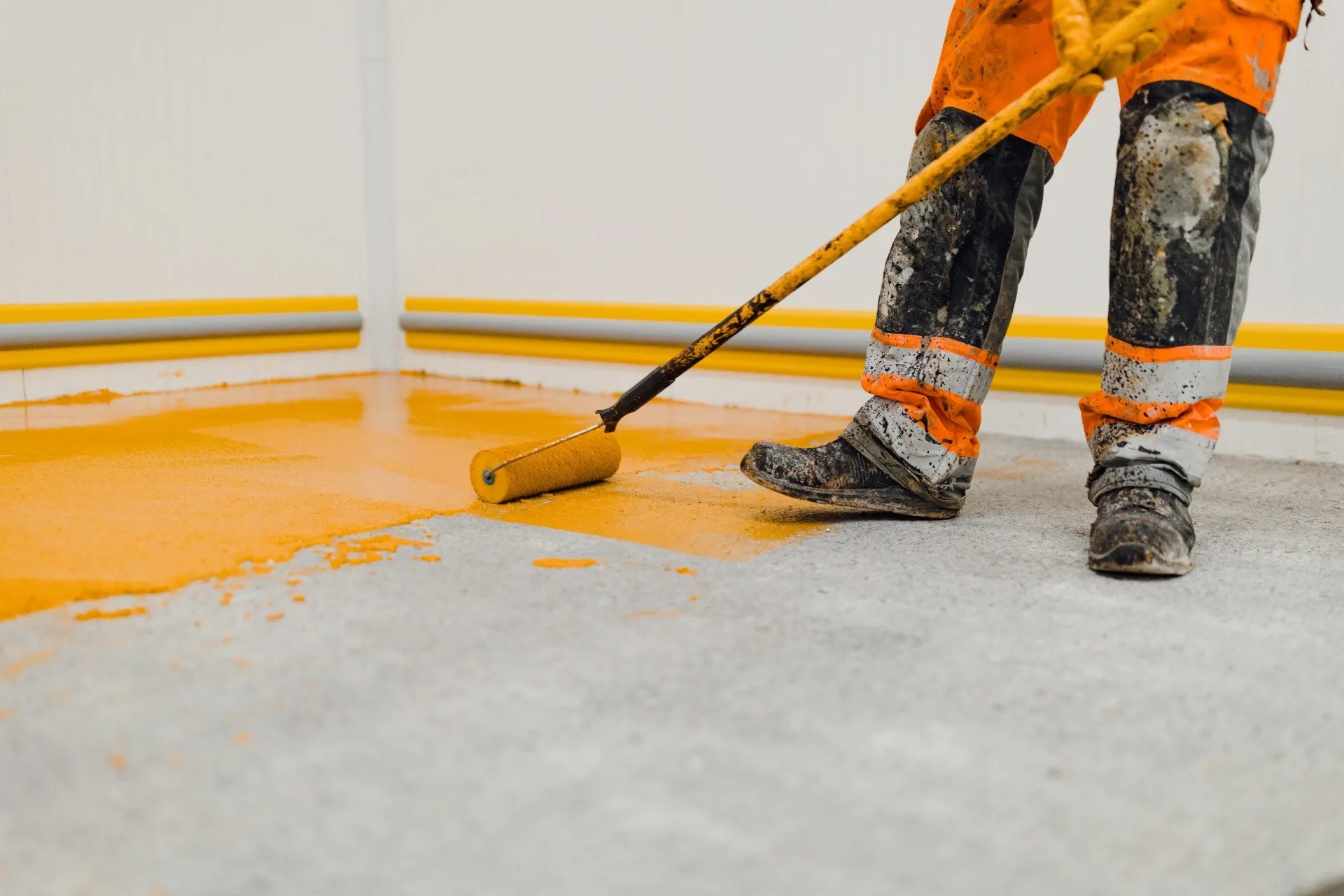
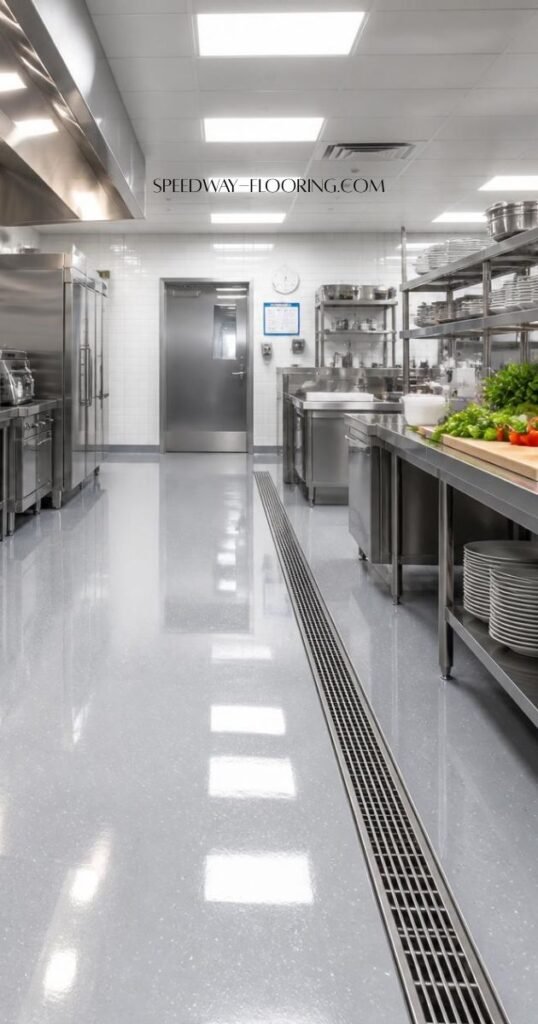
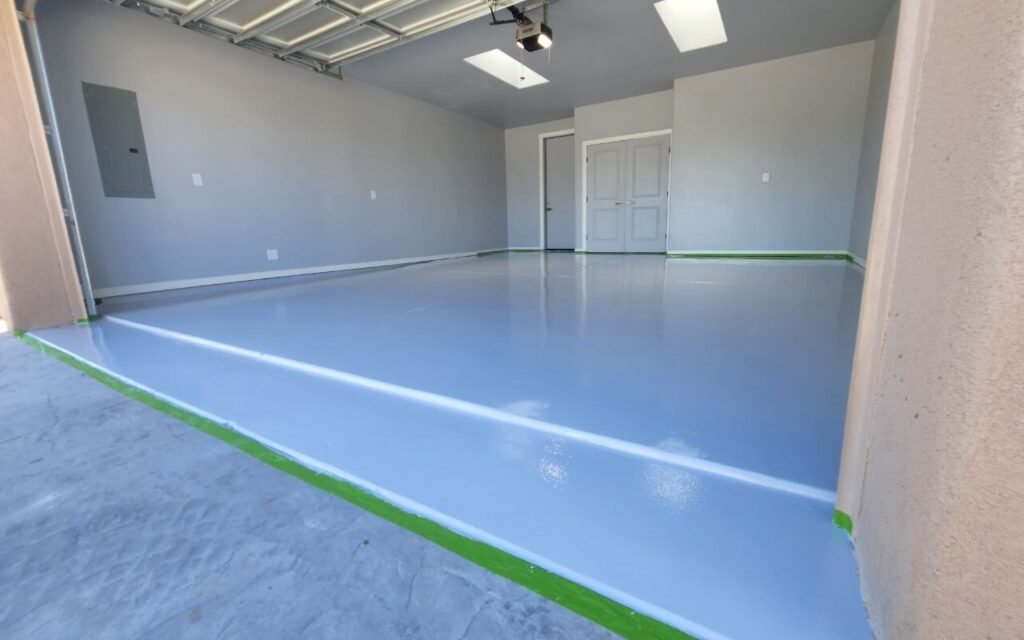
The darling of restaurant kitchens, and the reason is simple. It pours as one continuous layer, without a single joint, so grease, moisture, and dirt have nowhere to catch. Acid doesn’t touch it, alkali doesn’t touch it, and boiling water doesn’t either. It cleans fast. That’s why restaurant flooring in the kitchen is most often epoxy, where spills and harsh chemicals aren’t a force majeure but a Tuesday.
And one more thing that doesn’t come to mind right away. Safety. Anti-slip fillers get mixed into the coating, and a wet floor stops being an ice rink. In a kitchen where everyone moves fast and hot, that little detail saves people from falls.
Decorative Epoxy Coating
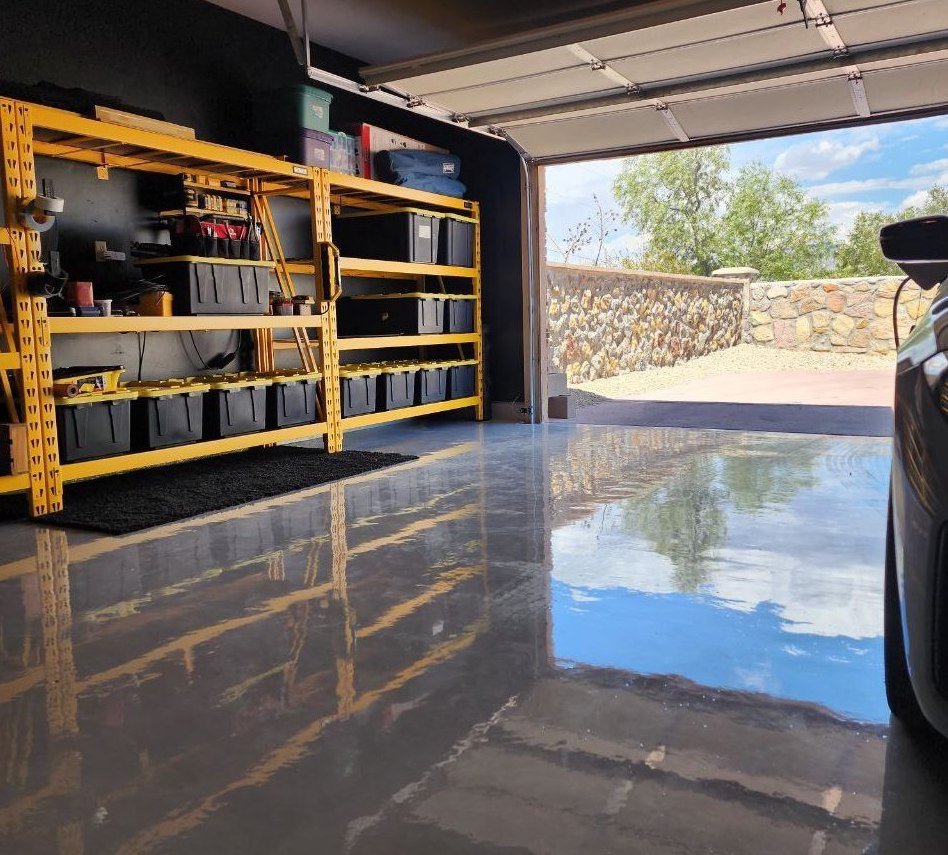
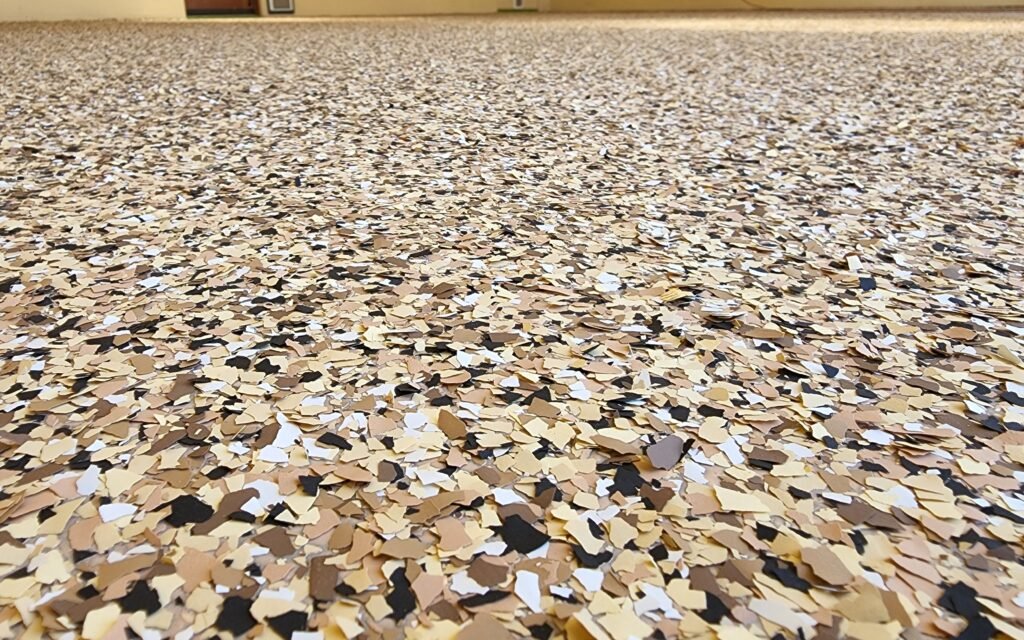
This one’s for the dining room. The same monolithic protection, but with color, a marble effect, or a metallic finish, whatever you fancy. The guest sees a stylish solid surface and has no idea that industrial-grade strength is hiding under those good looks. Turns out beauty and reliability don’t have to fight here; they work together.
Polyurethane Coating
When there’s vibration nearby or sharp temperature jumps, polyurethane feels more confident than rigid epoxy. It’s more elastic. It handles the cold near freezers and the heat near the stove more easily. Also seamless, also chemical-resistant, but softer underfoot, and staff who’ve stood twelve hours will feel that.
Polyaspartic Coating
A story for those who simply can’t afford to close the place for long. It hardens in a few hours. Applied in the morning, ready to work by evening. Plus, it doesn’t yellow in the sun, so in dining rooms with panoramic windows, it holds up flawlessly for years.
Polished Concrete
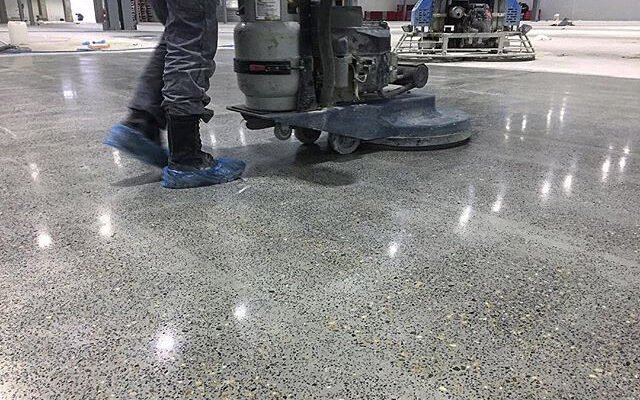
Loft style, a rugged charm, and it costs less than the rest. But here I have to hit the brakes. Concrete without sealing or a protective layer stays porous. It pulls spills into itself and stains and, over time, starts to crumble. That’s why in a restaurant it’s almost always done with a topping or a sealer. Otherwise, the savings up front quietly leak into costs down the road.
And which option is yours depends on the place. A restaurant floor in a busy fast-food kitchen and a floor in a quiet wine bar are two different jobs. The best flooring for restaurants is never one-size-fits-all. It’s the one matched to your format, your traffic, and your budget.
Restaurant Flooring from Speedway Flooring
Let me put it plainly. The right floor isn’t a line of expenses; it’s an investment that pays back every day with less of a headache. We don’t just roll a coating over the concrete. First, we look at the base and at how the place actually runs, because the result holds exactly as long as the concrete underneath it holds.
Here’s what a place gets when the floor is done properly:
- noticeably fewer repairs: a quality coating serves ten to twenty years without the endless patching;
- easier cleaning: a seamless surface has no seams for dirt to lodge in, and staff save time and supplies;
- fewer falls, an anti-slip coating helps in a wet kitchen and spares your nerves during inspections too;
- nowhere for bacteria to hide, a monolithic floor clears a stack of sanitary questions at once
- and the dining room looks well-kept, which a guest picks up on even without realizing it.
When the floor stops being a problem, the owner finally gets to run the restaurant instead of the next repair. We pick solutions point by point, from the kitchen to the dining room, so the coating carries the load for years, not just until the first hot summer.
Let’s Build a Floor That Survives Your Restaurant’s Busiest Night
A restaurant floor worker works at the edge every single day. That’s exactly why cutting corners on it at the start is the priciest of the cheap ideas. A budget coating looks like a bargain right up until the first truly hectic service. After that, it starts eating money through repairs and kitchen downtime. The right choice from the very beginning simply cuts that scenario off.
We work with restaurants, cafes, and bars, and we know how their needs differ from one another. From an anti-slip kitchen floor to a striking coating in the dining room. Give us a call, tell us about your place, and we’ll pick a solution, work out the cost, and lay a floor that keeps pace right alongside you.
Hire the pros at Speedway Coatings for restaurant flooring services in Las Cruces, NM
Call (575) 993-3535 today for more information about restaurant flooring services!
ABOUT US
Professional Flooring Service in Las Cruces, NM
You can’t go wrong by hiring us at Speedway Flooring for your next floor project. We take pride in our excellent craftmanship and our dedication to customer service. You’ll appreciate that we are:- Certified Epoxy Floor Coating Installers
- Dust-free equipment
- Expert, guaranteed workmanship
- We offer options for pricing on every project
- Provide free estimates
Our Services
Concrete Repair
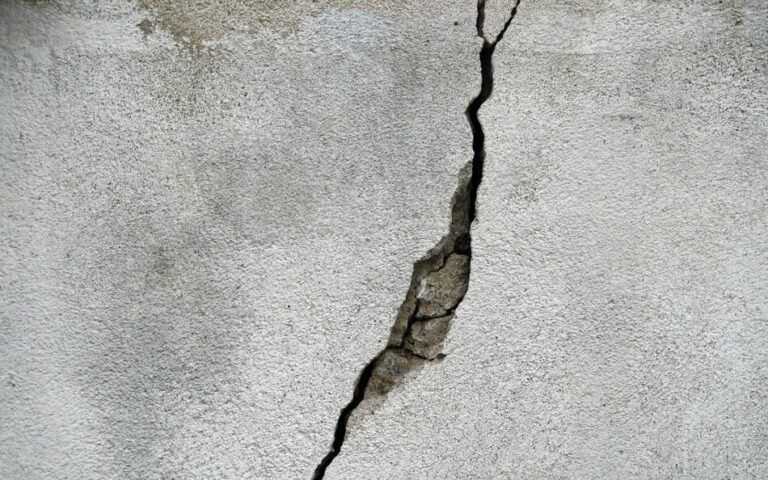
Cracks in your concrete may not worry you now, but they can lead to bigger issues down the road. If you’re dealing with concrete damage, turn to the pros at Speedway Flooring.
Epoxy Coatings
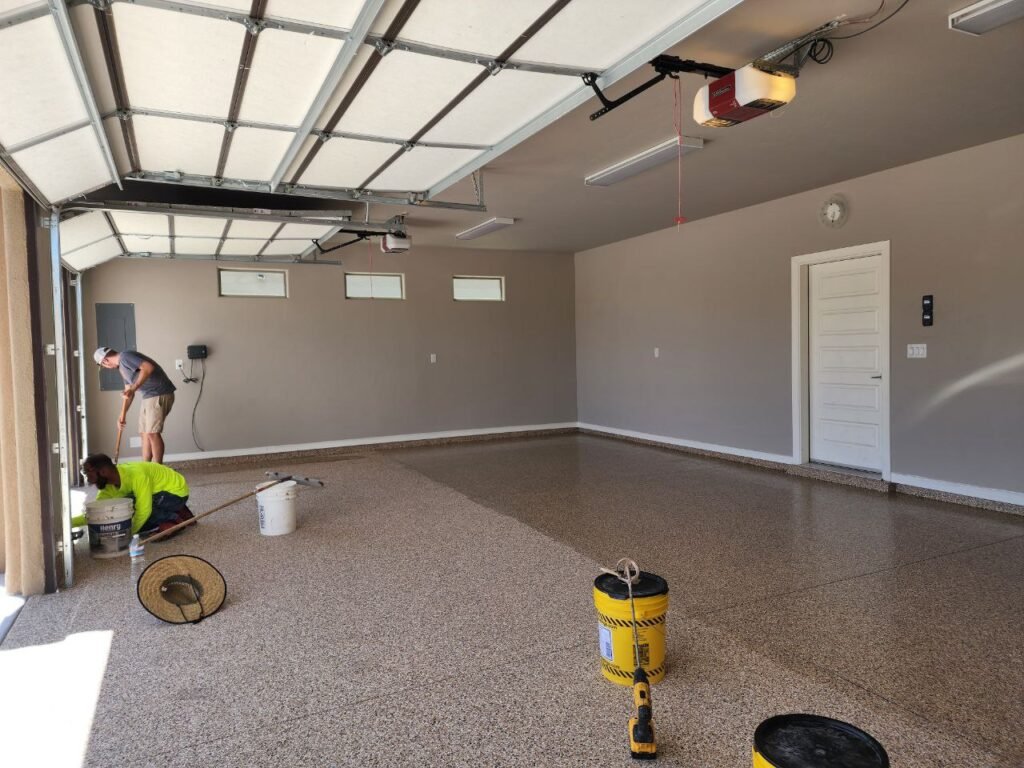
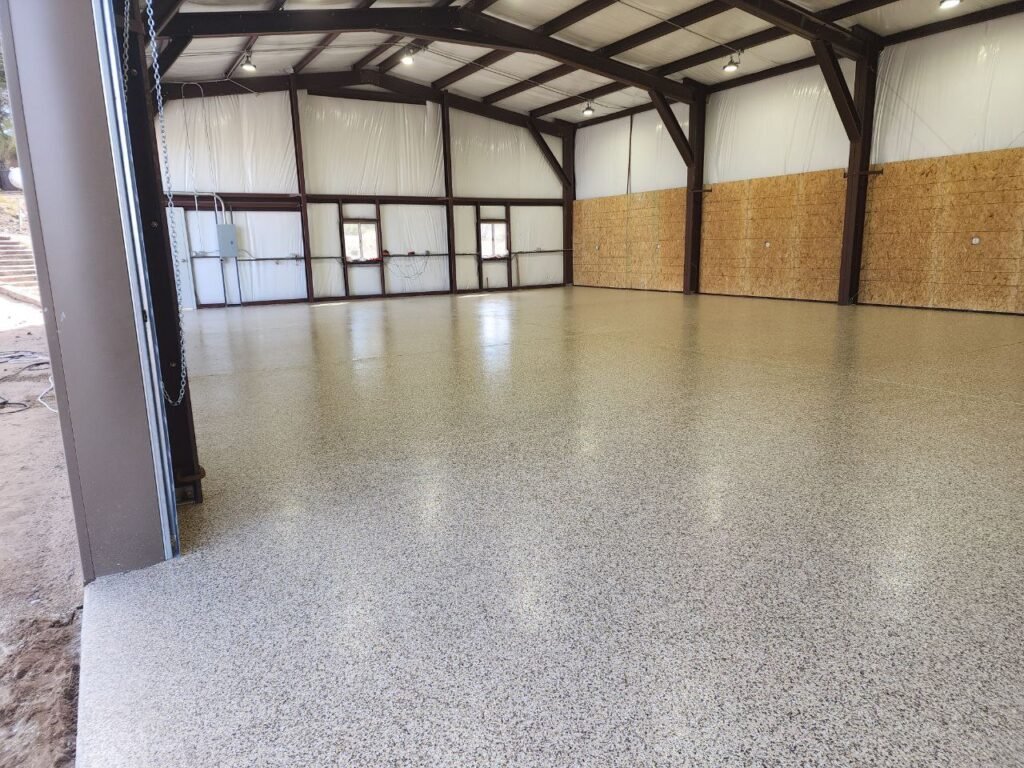
It is highly durable, customizable, sustainable, and decorative for any surface. It is commonly used for commercial and industrial flooring as well as residential and is normally applied over concrete floors.
Concrete Repair
Cracks in your concrete may not worry you now, but they can lead to bigger issues down the road. If you’re dealing with concrete damage, turn to the pros at Speedway Flooring.
Concrete Polishing
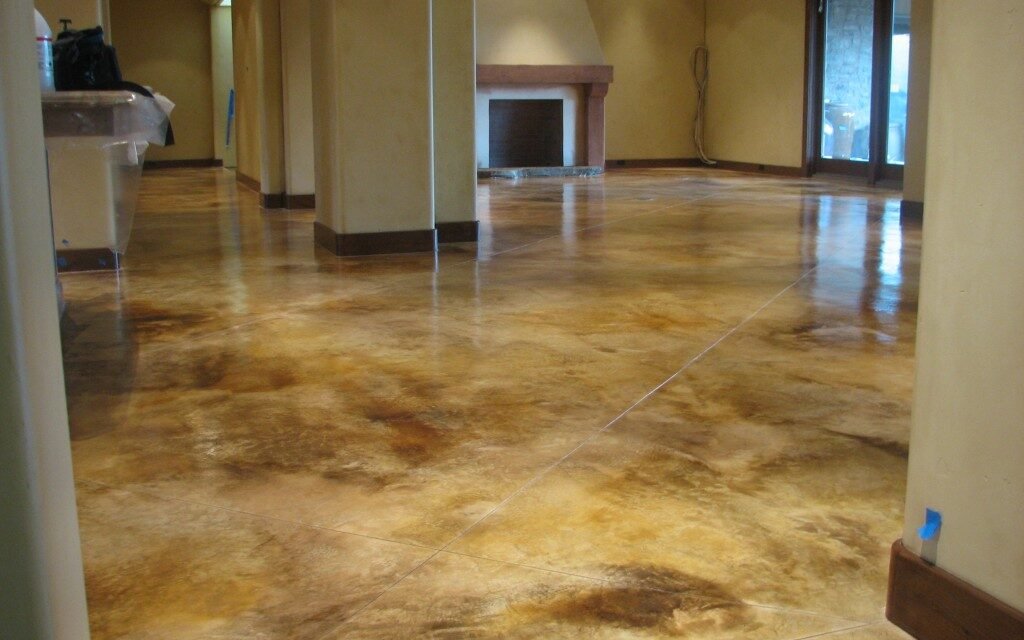
Stained Concrete
Stains can be used to achieve a range of different effects from subtle mottled patterns to vibrant, deep colors.
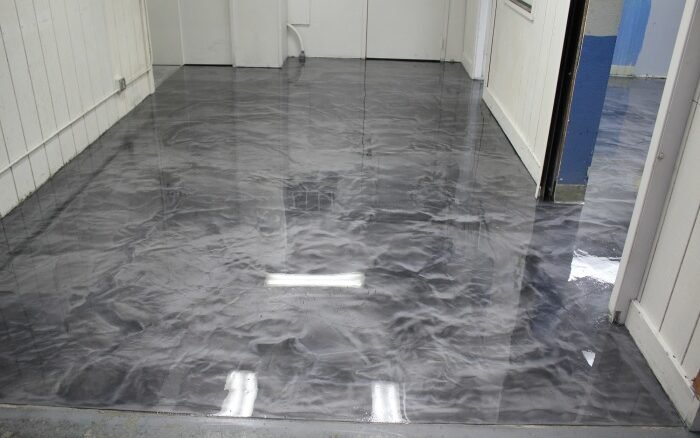
Metallic Epoxy Floors
The type of flooring system that combines the durability and strength of epoxy with unique metallic pigments to create a visually stunning surface.
All our work is DUST-FREE!
The process of preparing and grinding concrete can be very dusty. Crystalline silica is found in materials such as concrete, masonry and rock. When these materials are made into a fine dust, it is not only difficult to clean, but breathing in these fine particles can cause lung damage. Our high quality grinders and vacuum systems will collect dust during the grinding process, so you don’t need to worry about having dust on the walls or windows after we leave!
Visit our Instagram page to see videos of this great machine at work!
Working Process
Quick Request
You send us a request through e-mail or call our specialist to request a quote.
Inspect & Analise
We come to your house or business to measure the job site. We analyze the the condition of the concrete and amount of foot traffic to offer you the best floor solution.
Preparation of The Concrete
After you approved our quote and picked the color, we begin our work process. We remove all the previous coatings, if you had on the floor, grind the concrete, and fix all the existing cracks.
Finish
Then, depending on what you chose, we coat, polish or stain the concrete and finish with the sealer.
Call us today!
FAQ
What flooring is best for a restaurant?
For the kitchen, epoxy coating is almost always the best choice because it is seamless, resistant to grease, moisture, and chemicals, and easy to clean. For the dining room, decorative epoxy or polished concrete is often a better fit. Polyurethane and polyaspartic coatings are suited to more specific needs, such as vibration resistance and a fast return to service.
Can regular tile be laid in a restaurant kitchen?
Technically, yes. The main problem is the grout joints. In a kitchen environment with grease and nightly sanitation, they can quickly collect dirt and bacteria. A seamless coating removes that problem.
How long does restaurant flooring last?
With a properly prepared substrate and high-quality installation, restaurant flooring can last between ten and twenty years without losing its performance properties.