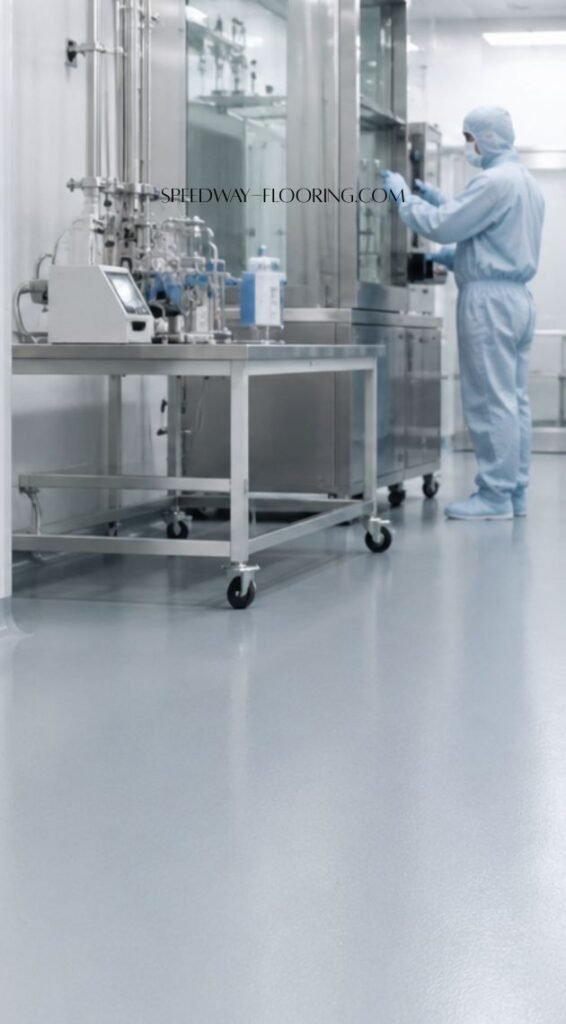
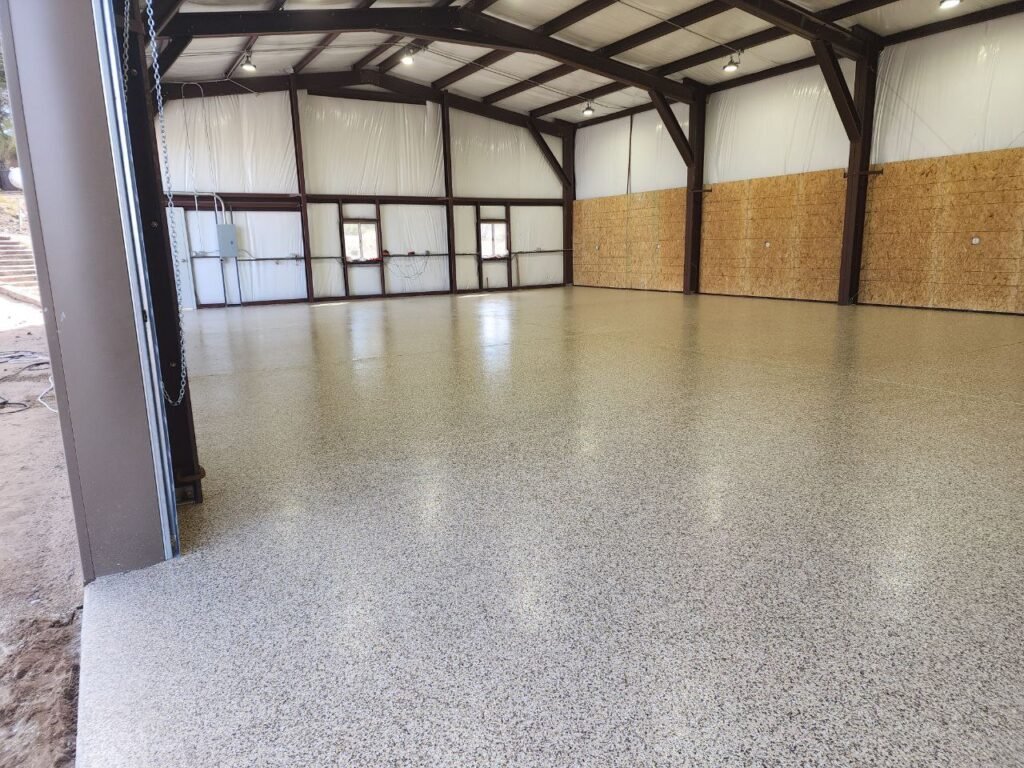
- It does not generate dust itself and prevents foreign dust from settling thanks to its smooth, monolithic surface.
- It withstands daily disinfection with harsh chemicals without fading or deteriorating.
- It dissipates static electricity, which can damage sensitive electronics and pose a risk in explosive environments.
- It does not retain moisture, so bacteria and mold have nowhere to grow.
- It’s easy to clean, because every extra minute spent cleaning is money wasted and a risk of failure.
Flooring for cleanrooms isn’t chosen based on the principle of “cheap and fast.” Every property of the flooring is directly linked to whether the facility will pass certification or not. A mistake during the selection phase will cost more than just a cosmetic repair—it will mean a production shutdown.
Which Floor Coverings Really Work
There are many materials on the market, but the criteria are strict: seamlessness, chemical resistance, and static control. Few solutions meet these requirements, and each has its own strengths.
Epoxy Self-Leveling Floors
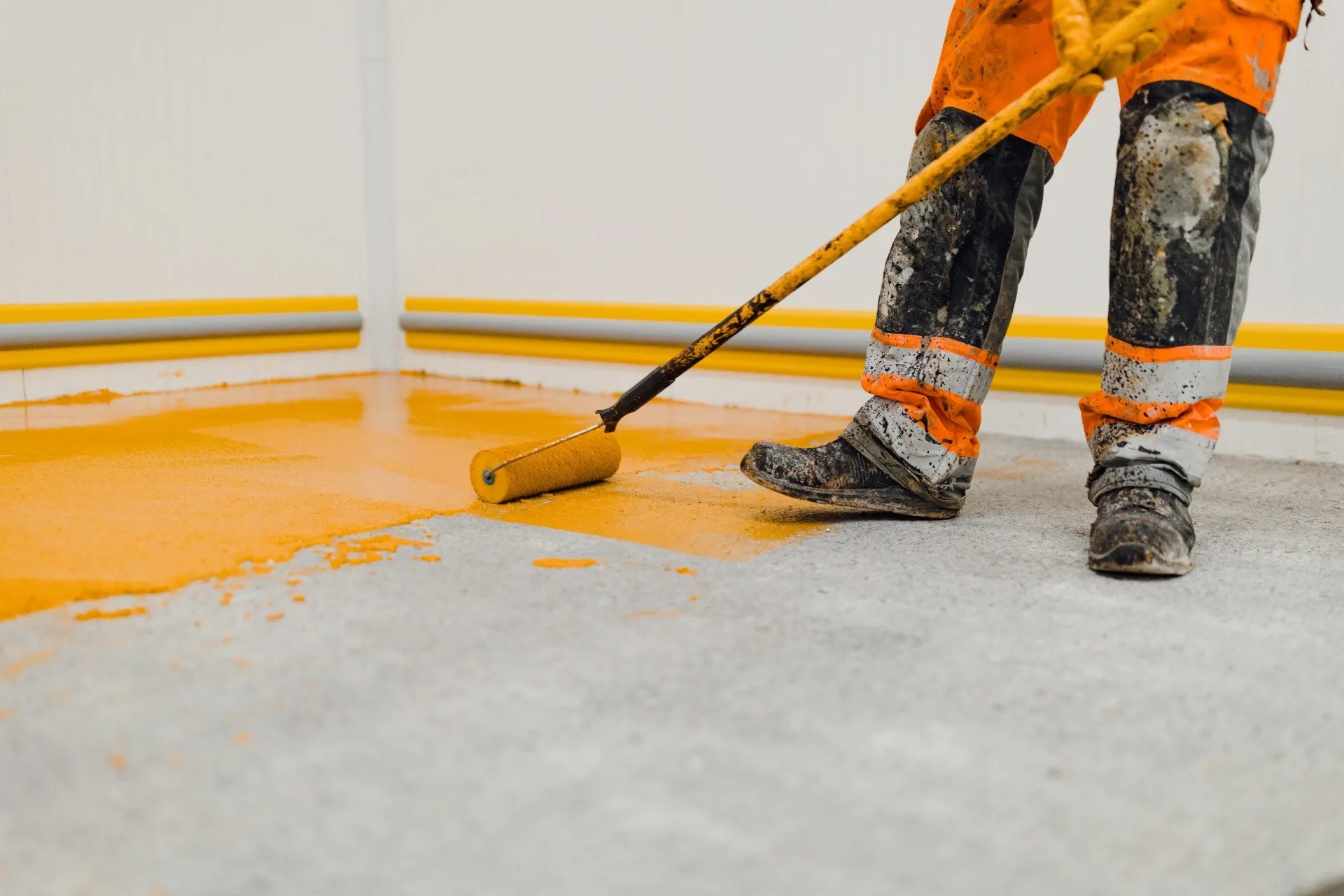
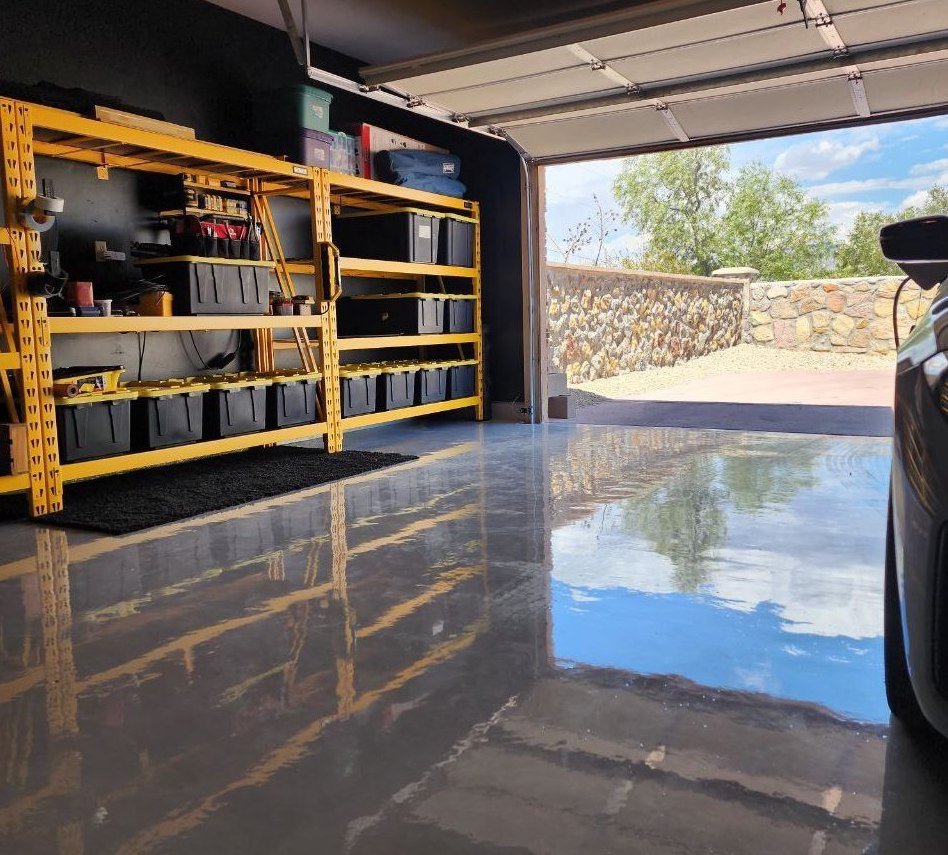
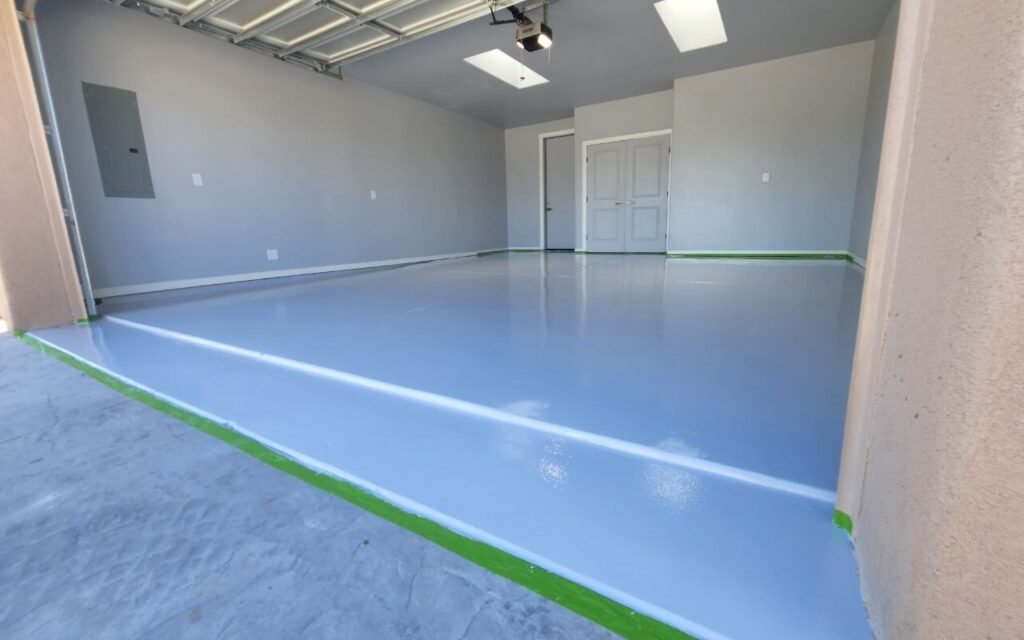
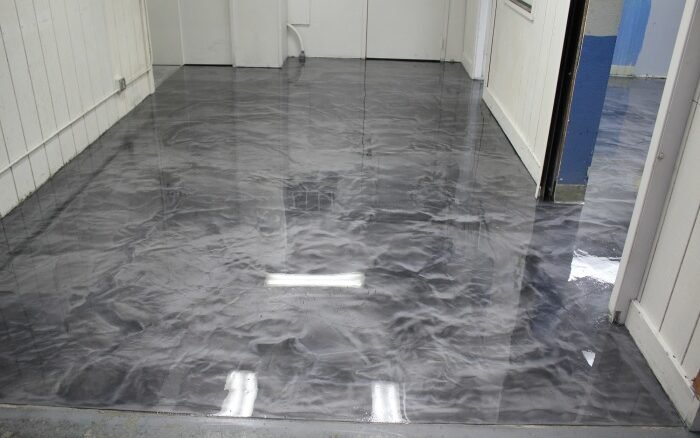
The industry’s workhorse. Epoxy is poured in a continuous layer without a single joint, so dust, moisture, or bacteria simply have nowhere to hide. The surface is hard and resistant to acids, alkalis, and solvents—exactly what’s used to clean the floors of cleanrooms in the pharmaceutical and microelectronics industries every day.
Antistatic versions offer a distinct advantage. Conductive components are incorporated into the coating to dissipate static charge and prevent its buildup. For chip manufacturing or work with flammable substances, this is no longer just a nice-to-have feature but a direct safety requirement. Add to this a service life of ten to twenty years without cracking, and it becomes clear why cleanroom floors are, in most cases, made specifically
with an epoxy base.
Polyurethane Coatings
Polyurethane is slightly more elastic and better withstands vibration and temperature fluctuations. In areas where heavy equipment is operating nearby or where the environment transitions from warm to cold, it performs more stably than rigid epoxy.
It is also seamless and chemically resistant and feels softer underfoot—a feature that staff who spend an entire shift on their feet will appreciate. In terms of maximum protection against the most aggressive chemicals, polyurethane typically ranks second only to
epoxy systems, but it is indispensable for its specific applications.
Floor Tiles for Cleanrooms
Yes, there are also special floor tiles for cleanrooms, designed specifically for sterile areas. They are installed using conductive adhesive, with minimal seams and subsequent hermetic grouting. This solution works well when quick localized maintenance or replacement of a single section is needed without having to pour the entire floor. The weak point is predictable: the joints themselves. Even when perfectly grouted, they remain areas where dirt can accumulate over the years, so this type of floor requires closer monitoring.
When weighing all the pros and cons, a
seamless poured coating remains the most reliable option for most clean rooms. Tiles and polyurethane address specific tasks, but it is the monolithic epoxy floor that provides the level of control for which cleanrooms are built in the first place.
The Cost of a Mistake and the Benefits of a Professional Approach
We were once told about a situation at a small pharmaceutical manufacturing facility where they decided to cut corners and installed a standard
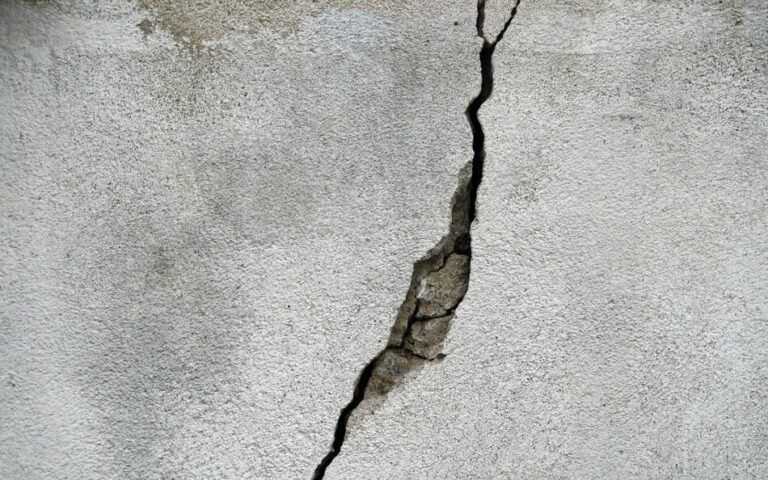
industrial floor coating instead of a specialized one. Everything looked fine for half a year. But then a routine inspection found particle levels exceeding the standard near the joints, and the production line was shut down until the floor was redone. The initial savings turned into downtime and repeat costs that could have been avoided.
A high-quality floor for cleanrooms isn’t just a material from a catalog. It involves a properly prepared substrate, adherence to application techniques, and quality control at every stage. The concrete must be primed, leveled, and free of residual moisture; otherwise, even the best coating won’t last its intended lifespan. There are no minor details here that can be overlooked.
We prepare the substrate for a specific cleanliness class and apply the coating so that it can withstand disinfection, heavy loads, and inspection requirements for years to come. Cleanroom floors, when done right, last for decades and eliminate the need to address repairs every year. For detailed requirements regarding cleanliness classes, please refer to the official ISO 14644-1 standard; we’ll work with you to select the specific solution best suited for your facility.
Install a floor that will pass any inspection on the first try
A cleanroom is only as clean as its floor. You can invest a fortune in filters and ventilation, but if the flooring generates dust, retains moisture, or accumulates static electricity, the entire investment is only half as effective. That’s why the floor for cleanrooms is where you should start your planning—not where you should try to save money at the end.
We work with cleanrooms and know that every millimeter and every layer matters here—from analyzing the subfloor to applying the final coating to meet the required cleanliness class. Give us a call, tell us about your facility, and we’ll find the right solution, provide a cost estimate, and install a floor that will maintain standards for years to come.