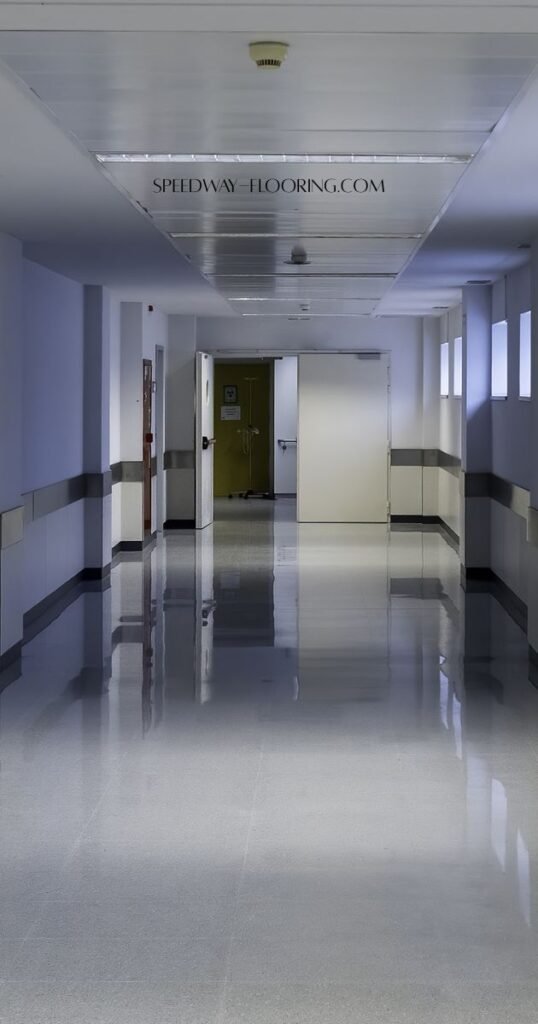
Hospitals have completely different flooring requirements than stores or offices. Heavy wheelchairs and medical equipment are rolled across the floors every day, liquids are spilled and must be cleaned up immediately, and surfaces are disinfected so often and with such agents that most conventional coverings simply cannot withstand the wear and tear.
Flooring in hospitals is not about design. It is about patient safety, hygiene, and staff comfort. And when something goes wrong here, it is not just a matter of repairs and expenses, but risks that are best avoided.
What makes flooring for medical facilities special
The medical environment is one of the most demanding for any flooring. Here’s what flooring for medical facilities faces every day:
aggressive chemicals: disinfectants, antiseptics, chlorine-containing agents, all on a regular basis;
mechanical stress: stretchers, wheelchairs, heavy diagnostic equipment;
hygiene requirements: no seams, cracks, or porous surfaces where bacteria can accumulate;
the floor must not be slippery for patients or staff and must ensure safe movement.
cleanliness and a feeling of space are important in hospitals, so appearance also matters; hospital flooring should be light in color, giving a sense of hope.
Ordinary tiles cannot cope with this. Seams become a problem after just a few months of intensive disinfection. Laminate flooring is not considered at all in such conditions. Hospital floors require special solutions.
Contact us!
What coverings are suitable for hospital floors
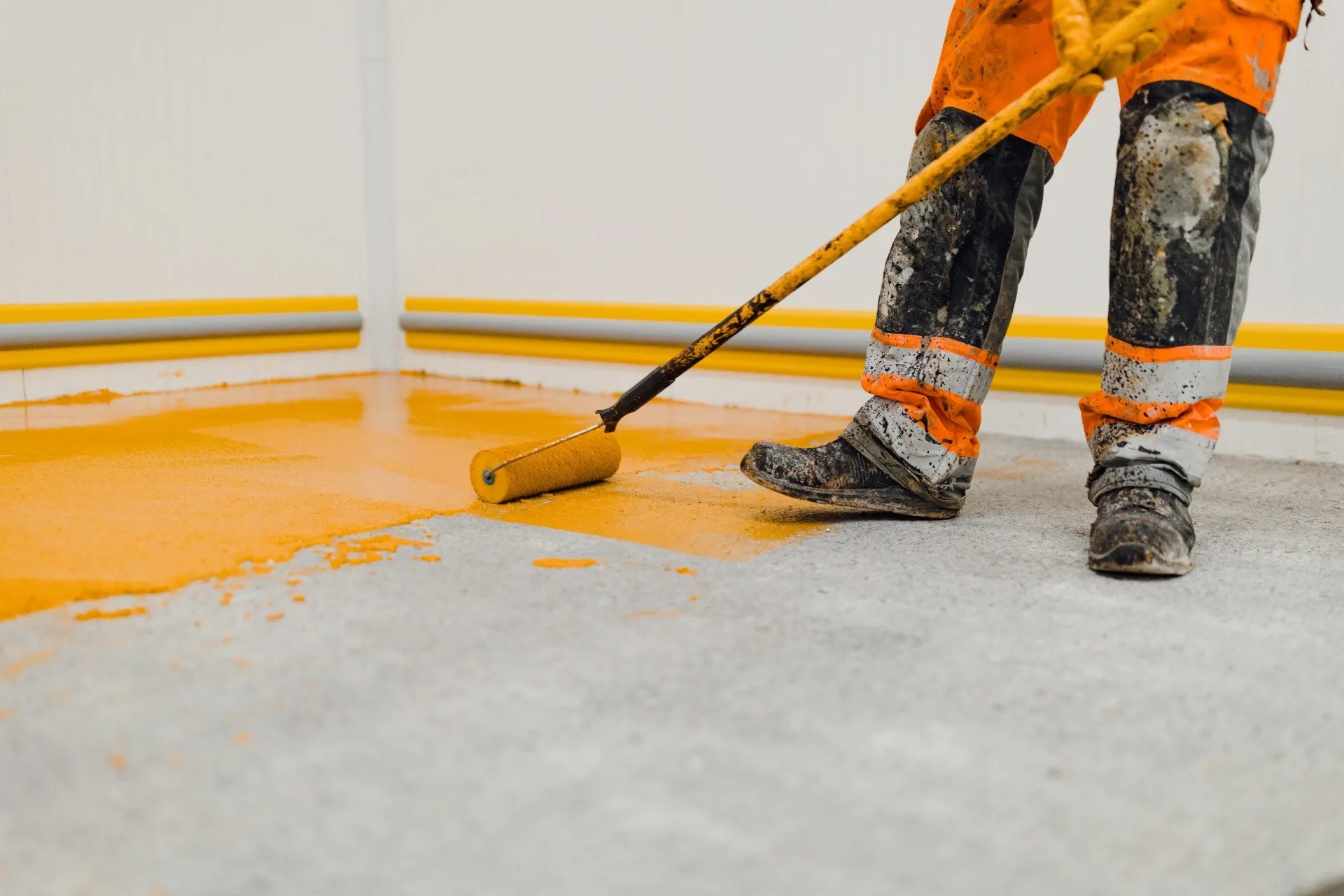
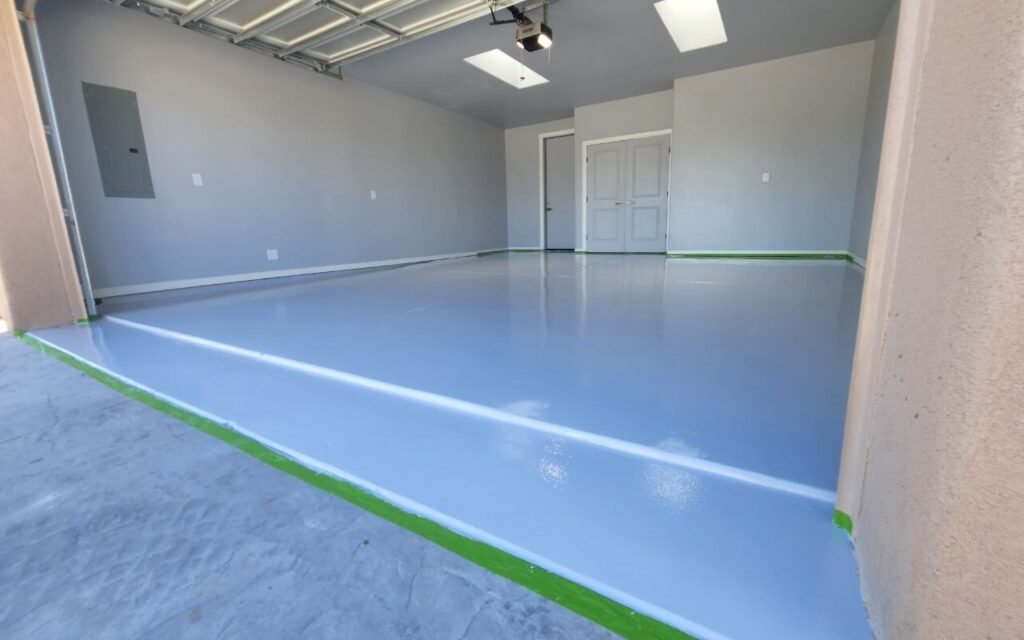
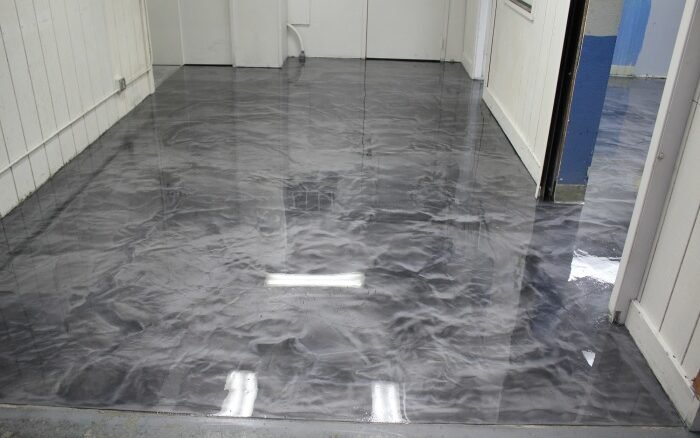
Epoxy flooring is the most common choice for medical facilities. A continuous, seamless layer with no pores or gaps. Bacteria have nowhere to hide, liquids do not penetrate deep into the floor, and it is easy and quick to clean. Resistant to disinfectants and most chemical solutions. Epoxy-based hospital flooring works well in corridors, laboratories, operating rooms, and technical areas.
Polyurethane coating. Slightly more elastic than epoxy. Better tolerates vibrations and point impacts from equipment. It is also seamless and chemically resistant but softer underfoot, which will be appreciated by both patients and staff who spend 8-12 hours on their feet.
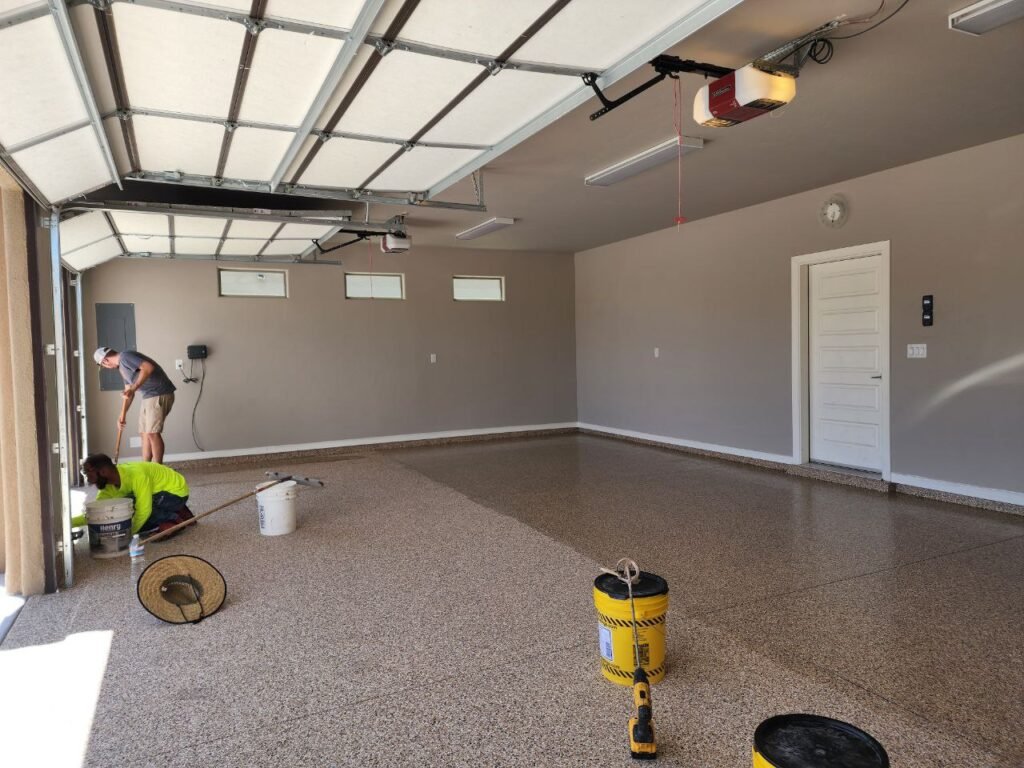
Polyaspartic coating. A solution for those who cannot afford to shut down their facility even for a day. It hardens within a few hours after application, and the room is ready for use. Does not yellow from UV rays, looks good in brightly lit medical rooms. The best option when installation deadlines are critical.
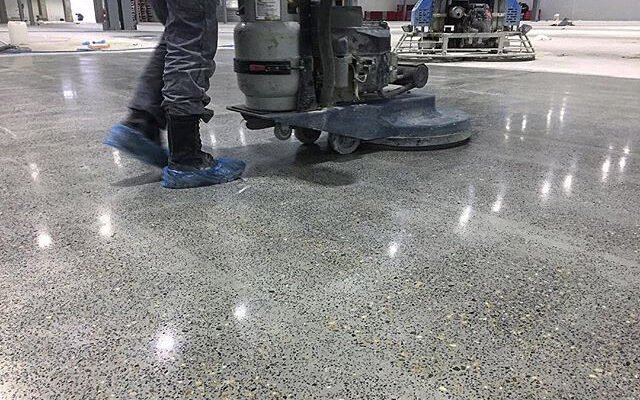
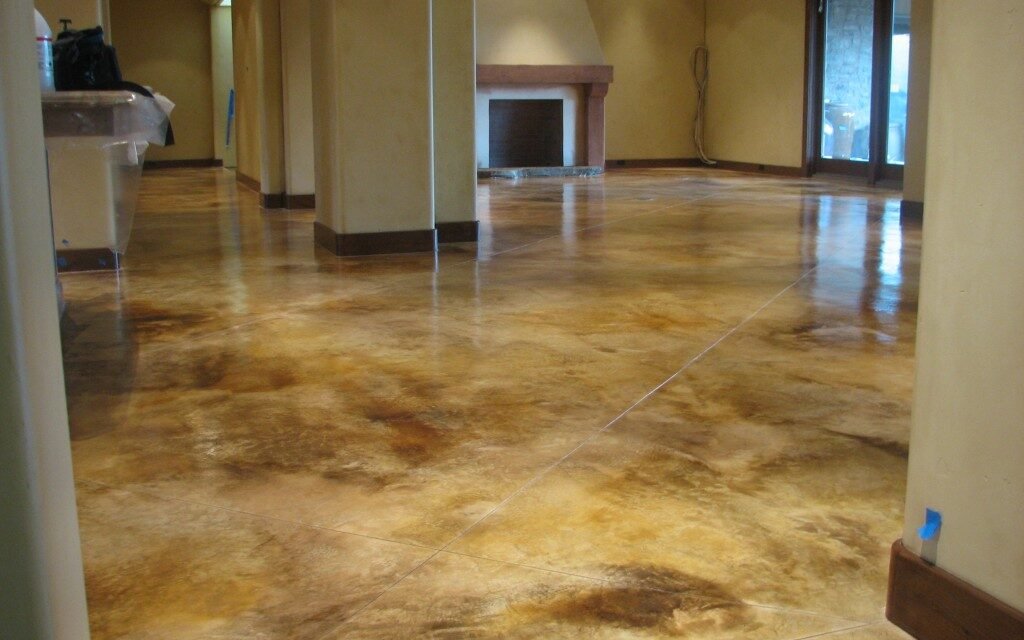
Sealed concrete floor. Polished concrete with protective impregnation. Looks sleek and modern, withstands heavy loads, and costs less than most alternatives.
What medical facilities gain from the right flooring
When flooring is chosen to suit the actual conditions, this is evident not only during inspection but also in everyday work.
Cleaning becomes faster and more reliable. Seamless surfaces do not accumulate dirt and bacteria, making it easier to maintain sanitary standards and confirm compliance during inspections.
The risk of falls is reduced thanks to the anti-slip properties of the flooring, which is especially important where there are elderly patients or people recovering from surgery.
Maintenance costs are reduced: high-quality hospital flooring is not damaged by chemicals and does not require frequent repairs.
The facility simply looks the way it should: clean, neat, and professional.
Durability is another argument in favor of the right choice: high-quality flooring lasts 10-20 years without losing its properties, and the facility does not have to return to the issue of floor repair every year.
It is an investment in safety, beauty, and reliability. That is why the professional flooring for medical facilities produced by our company helps to achieve clear results for many years to come.
Choose the right flooring for your medical facility the first time around
Flooring for medical facilities is not a place for experimentation and cheap solutions. Here you need a covering that meets the real conditions: withstands aggressive chemicals, does not give bacteria a chance, and serves for years without problems.
We work with medical facilities and know what is important here. From the selection of a covering for a specific room to installation in compliance with all requirements. Contact us—we will advise you, select a solution, and give you an estimated cost.
Hire the pros at Speedway Coatings for professional hospital flooring services in Las Cruces, NM
Healthcare facilities require durable, seamless, and hygienic flooring. Our hospital flooring solutions are designed to meet strict safety and sanitation standards for medical environments.
Call (575) 993-3535 today to learn more about our hospital flooring installation services!
ABOUT US
Professional Flooring Service in Las Cruces, NM
You can’t go wrong by hiring us at Speedway Flooring for your next floor project. We take pride in our excellent craftmanship and our dedication to customer service. You’ll appreciate that we are:
Our pros can help you get the most out of your floors. Reach out to us today to get started.
Concrete Repair
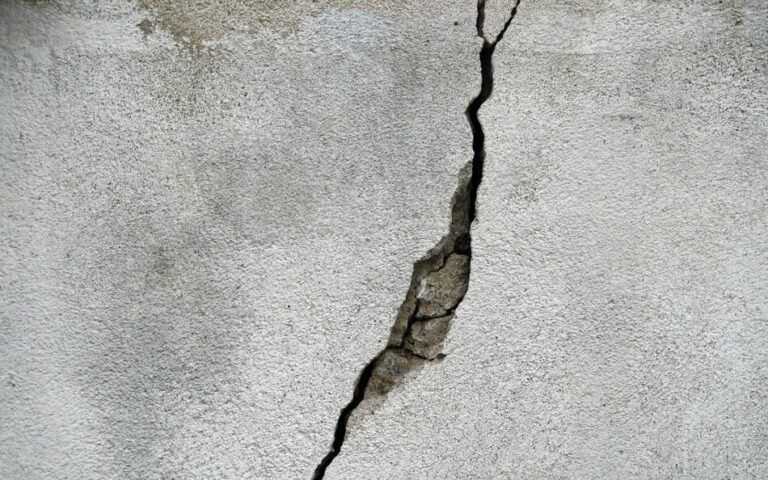
Cracks in your concrete may not worry you now, but they can lead to bigger issues down the road. If you’re dealing with concrete damage, turn to the pros at Speedway Flooring.
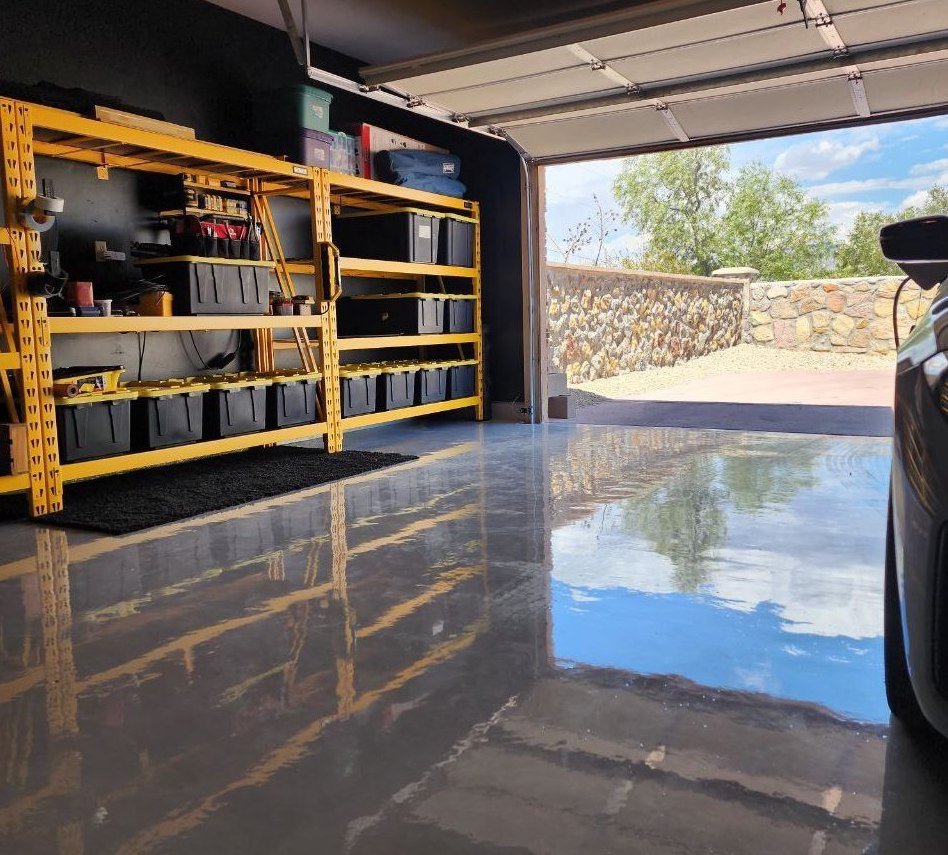
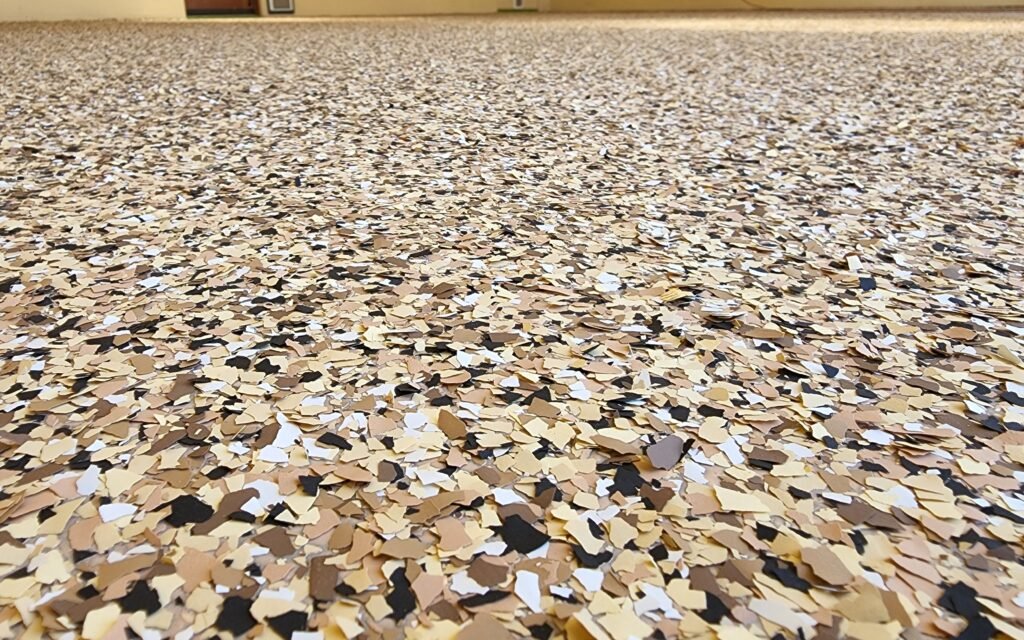
It is highly durable, customizable, sustainable, and decorative for any surface. It is commonly used for commercial and industrial flooring as well as residential and is normally applied over concrete floors.
Cracks in your concrete may not worry you now, but they can lead to bigger issues down the road. If you’re dealing with concrete damage, turn to the pros at Speedway Flooring.
The process of preparing and grinding concrete can be very dusty. Crystalline silica is found in materials such as concrete, masonry and rock. When these materials are made into a fine dust, it is not only difficult to clean, but breathing in these fine particles can cause lung damage. Our high quality grinders and vacuum systems will collect dust during the grinding process, so you don’t need to worry about having dust on the walls or windows after we leave!
Visit our Instagram page to see videos of this great machine at work!
You send us a request through e-mail or call our specialist to request a quote.
Inspect & Analise
We come to your house or business to measure the job site. We analyze the the condition of the concrete and amount of foot traffic to offer you the best floor solution.
Preparation of The Concrete
After you approved our quote and picked the color, we begin our work process. We remove all the previous coatings, if you had on the floor, grind the concrete, and fix all the existing cracks.
Finish
Then, depending on what you chose, we coat, polish or stain the concrete and finish with the sealer.
Call us today!
FAQ
What flooring is best for hospitals?
For most medical facilities, seamless coatings such as epoxy or polyurethane flooring are the best option. They have no seams, are resistant to disinfectants, and are easy to clean. Concrete flooring can also be used, but it requires proper preparation and finishing to meet healthcare standards.
Can regular tiles be used on hospital floors?
Technically yes, but seams between tiles often become a problem. In medical environments with frequent cleaning and disinfection, grout joints can deteriorate and collect dirt and bacteria. Seamless flooring systems eliminate this risk.
How long does installation take, and can the facility continue to operate?
Installation time depends on the type of flooring system used. Polyaspartic coatings can cure within a few hours, significantly reducing downtime. We select the best solution based on the facility’s schedule and operational needs.